
Many international students believe that IELTS is mandatory for studying abroad. In reality, several fully funded scholarships in 2026 allow applicants to apply without IELTS by accepting alternative English evidence, university assessments, or previous English-medium education.scholarshipscentral+1
This guide explains how fully funded scholarships without IELTS work, which alternatives universities commonly accept, what documents you need, and how students from the United Arab Emirates, South Africa, and Nepal can build a strong application.
If you are specifically searching for opportunities for UAE-based applicants, read this detailed guide: Scholarships Without IELTS for UAE Students 2026/27.
For applicants from South Africa and Nepal, this country-focused guide explains the best approach: Scholarships Without IELTS for South African and Nepali Students 2026/27.
What Does “Without IELTS” Actually Mean?
“Without IELTS” does not always mean that a university has no English-language requirement. It usually means one of three things:
-
The scholarship provider does not ask for IELTS during the scholarship application.
-
The university accepts another test, such as TOEFL, PTE Academic, Duolingo English Test, or Cambridge English.
-
The university accepts a Medium of Instruction certificate, an internal English test, or an interview instead of IELTS.
This distinction matters because the scholarship provider and the university often make separate decisions. The scholarship may fund your tuition and living costs, while the university decides whether your English proficiency meets admission requirements.
Types of Fully Funded Scholarships Without IELTS
Government scholarships
Government-funded programs are often the best option for students seeking full financial support. Many major scholarships, including Türkiye Bursları, the Chinese Government Scholarship, MEXT Japan, Global Korea Scholarship, and Stipendium Hungaricum, have established non-IELTS routes or accept alternative language evidence depending on the program and university.scholarshipscentral+1
These scholarships may cover tuition, monthly living allowance, accommodation, health insurance, and airfare. However, every program has its own eligibility rules, so always check the official scholarship portal before applying.scholarshipscentral+1
University-funded scholarships
Some universities offer full or near-full funding directly to international students. These awards may include tuition waivers, research assistantships, stipends, accommodation support, or admission-based merit funding.
University scholarships can be especially useful for postgraduate applicants because departments sometimes assess English ability through academic records, research proposals, references, or interviews rather than IELTS alone.

Research and graduate assistantships
For master’s and PhD applicants, research assistantships can provide tuition coverage and a monthly stipend. These opportunities are common in technical, scientific, engineering, and research-focused fields.
Your research proposal, academic transcript, publications, work experience, and supervisor support can matter more than an IELTS score in these applications. Still, confirm whether the department requires an English test or accepts an alternative.
Accepted Alternatives to IELTS
Instead of IELTS, many universities and scholarship programs may accept:
-
Medium of Instruction certificate from your previous school or university
-
TOEFL iBT
-
PTE Academic
-
Duolingo English Test
-
Cambridge English qualifications
-
University-conducted English test
-
Online or in-person interview
-
Previous degree completed in English
-
English-language preparation program before degree entrylearnviahub+2
A Medium of Instruction certificate states that your previous education was taught in English. It can be helpful, but it is not accepted by every university. Some institutions have strict policies and may reject MOI letters from certain countries or institutions, so verification is essential.
What Fully Funded Usually Covers
A genuinely fully funded scholarship may include:
-
Full tuition fees
-
Monthly stipend or living allowance
-
University accommodation or housing allowance
-
Health insurance
-
Round-trip airfare
-
Book or research allowance
-
Visa and residency support in some cases
For example, some UAE-based university scholarships have been advertised with tuition coverage, housing, monthly stipend, airfare, health insurance, and visa processing support. However, benefits differ significantly between scholarships, degree levels, and universities.
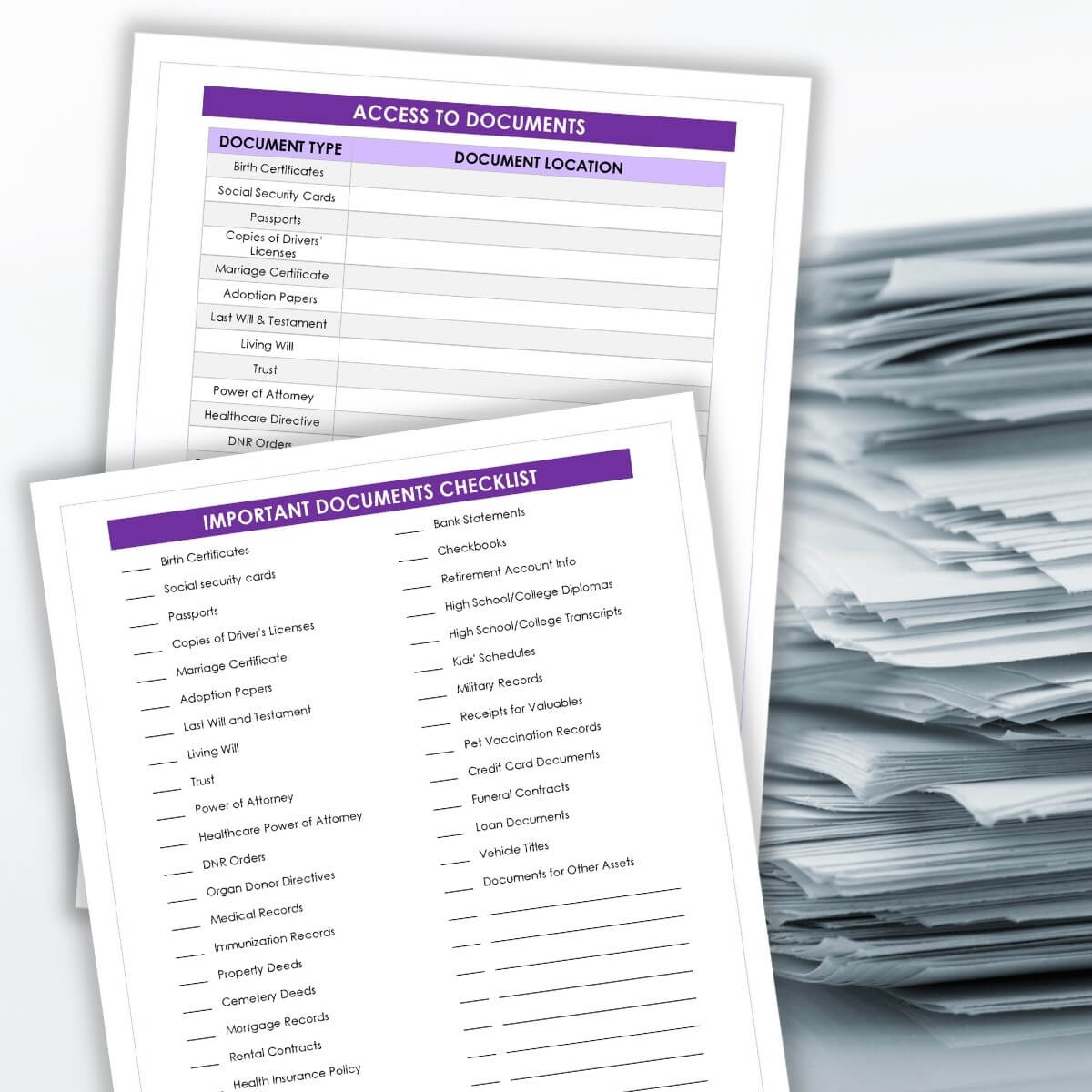
Documents You Should Prepare Early
A strong scholarship application needs more than good grades. Prepare these documents before the application window opens:
-
Valid passport
-
Academic transcripts and certificates
-
Updated CV or resume
-
Motivation letter or statement of purpose
-
Two or more recommendation letters
-
Research proposal, if applying for a master’s by research or PhD
-
Medium of Instruction certificate, if applicable
-
Alternative English test score, if required
-
Portfolio, for design, architecture, media, or creative programs
-
Financial documents, only if requested
-
Passport-size photographs according to official specifications
Do not wait until the deadline to request recommendation letters or transcripts. Universities and referees often need time, and incomplete applications are commonly rejected before academic merit is even considered.
How to Apply Without IELTS
Step 1: Choose the right program
Start with your subject, degree level, and career goal. A scholarship is only valuable if the program matches your academic background and future plans.
Step 2: Check the university language policy
Read the admission requirements for your exact program, not only the scholarship page. A scholarship may be IELTS-free while the department still requires TOEFL, PTE, Duolingo, or another accepted alternative.learnviahub+1
Step 3: Request an MOI certificate
If your previous education was in English, ask your school or university for an official Medium of Instruction certificate. Make sure it includes your name, program, study period, and clear confirmation that English was the language of instruction.
Step 4: Build a compelling application
Your motivation letter should explain:
-
Why you chose the program
-
How your past education connects to it
-
What you want to research or achieve
-
Why you need the scholarship
-
How you will contribute to the university and your home country
Avoid generic statements. Scholarship committees read hundreds of applications, so specific achievements and clear goals stand out.

Step 5: Apply before the deadline
Many competitive scholarships close months before classes begin. Some programs have deadlines in late 2026 for the following academic cycle, while others operate on university-specific timelines.learnviahub+1
Common Mistakes to Avoid
-
Assuming every “no IELTS” scholarship accepts an MOI certificate
-
Applying without checking the exact degree program’s requirements
-
Submitting a generic motivation letter
-
Missing recommendation-letter deadlines
-
Ignoring visa requirements
-
Applying only to one scholarship
-
Using unofficial agents or paying for guaranteed admission
-
Not keeping copies of every submitted document
Best Strategy for UAE, South Africa, and Nepal Students
Students from the United Arab Emirates, South Africa, and Nepal should use a layered application strategy:
-
Apply to government-funded scholarships with flexible English policies.
-
Apply directly to universities offering merit or research funding.
-
Prepare an MOI certificate and one alternative English test if possible.
-
Target programs where your academic background gives you a competitive advantage.
-
Apply to multiple scholarships instead of relying on a single opportunity.
For UAE-based applicants, specific universities, language alternatives, and application steps are covered here: Scholarships Without IELTS for UAE Students 2026.
For South African and Nepali applicants, this guide explains country-specific eligibility considerations and application strategy: Scholarships Without IELTS for South African and Nepali Students 2026/27.
Frequently Asked Questions
Can I get a fully funded scholarship without IELTS?
Yes. Many fully funded scholarships do not require IELTS, but you may still need to prove English proficiency through an MOI certificate, another accepted test, an interview, or previous English-medium education.oyaop+2
Is Duolingo accepted instead of IELTS?
Sometimes. Acceptance depends on the university and program. Always check the official admission page for your chosen degree before relying on Duolingo.learnviahub+1
Can I apply with a Medium of Instruction certificate?
You can apply where MOI is accepted, but it is not universally accepted. Some universities have restrictions based on the country or institution where you previously studied.
Should I still take IELTS?
If you have time and budget, a good IELTS score can increase your options. However, it should not stop you from applying to scholarships that accept alternatives.
Final Advice
Fully funded scholarships without IELTS are real, but successful applicants treat them as competitive academic applications—not shortcuts. Prepare early, verify every requirement on official pages, and apply to several suitable programs.
Start with the country-specific guides below: